Ponders End removals for flats by Enfield Lock station
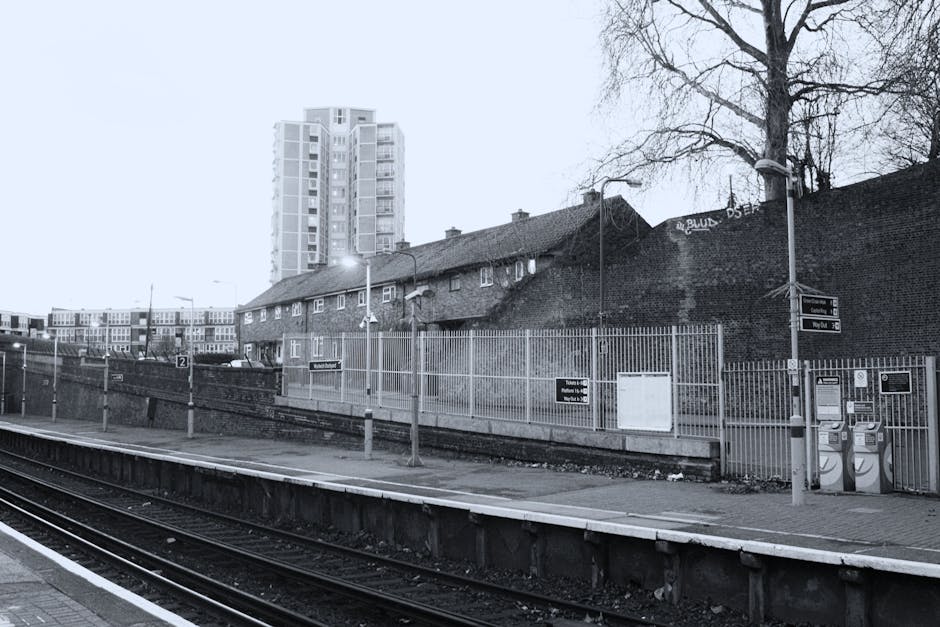
If you are planning Ponders End removals for flats by Enfield Lock station, you are probably juggling more than boxes. There is the stairwell that always feels narrower on moving day, the lift that may or may not be available, the parking question, and that slightly anxious feeling of trying to get everything done without upsetting neighbours. Truth be told, flat moves around Enfield Lock and Ponders End can be perfectly manageable, but only if the plan fits the building and the street, not the other way round.
This guide walks through what makes flat removals in this part of Enfield a little different, how to organise the move properly, and which practical choices usually save time, stress, and a few grey hairs. You will also find a checklist, a comparison table, and a realistic example to help you picture the process. If you want to look more broadly at local moving support, it can also help to review flat removals in Enfield, removals across Enfield, and the wider service overview before you book anything.
Why Ponders End removals for flats by Enfield Lock station Matters
Ponders End and the Enfield Lock station area sit in a part of North London where flats are a common way of living, especially for people who want train access, a practical commute, and a more compact home base. That sounds simple enough. In reality, flat removals here often involve shared entrances, managed blocks, on-street parking, and access rules that are easy to overlook until the van arrives and the clock is already ticking.
The station area matters because time and access shape the whole move. A ground-floor flat with clear roadside access is one thing; a third-floor flat in a block with a narrow hallway and a booked lift is another. If you are moving near Enfield Lock, you are likely dealing with a lived-in urban environment where neighbours, other residents, and building managers all play a part. That means the best removal plan is not just about carrying furniture. It is about coordination.
There is also a wider local context. Ponders End has a mix of long-term residents, new renters, first-time buyers, and people moving between smaller homes. That creates a steady demand for careful, flexible moving help. It is one reason many people compare options such as man with a van in Enfield and more comprehensive house removals in Enfield before deciding what level of support they actually need. For flats, the right answer is not always the biggest truck. Sometimes it is the best-planned one.
Expert summary: In flat moves near Enfield Lock, the winning formula is usually simple: measure access carefully, reduce the load where you can, reserve time properly, and choose a team that understands building constraints. That alone prevents most avoidable stress.
How Ponders End removals for flats by Enfield Lock station Works
A good flat removal is a sequence, not a scramble. The process usually starts with understanding the flat itself: floor level, lift access, stair width, parking position, and whether there are any building rules on move-in times. The removal team then matches the vehicle, crew size, and loading order to those conditions. That sounds obvious, but in real life it is where the move becomes either smooth or awkward.
Here is the typical flow for a flat move around Enfield Lock station:
- Initial assessment: You explain what needs moving, where from, where to, and any tricky items such as wardrobes, TVs, bikes, or fragile glassware.
- Access planning: The mover checks the likely parking point, route from flat to van, lift availability, and the best time to avoid congestion.
- Packing and labelling: Boxes are organised by room, and anything delicate gets extra protection. This is where packing and boxes in Enfield become more than a nice-to-have; they save time and reduce breakages.
- Loading strategy: Heavy items go in first, then boxed goods, then fragile and awkward items. In a flat move, this order matters because the route can be physically tiring and repetitive.
- Transport and delivery: The van is driven to the destination, unloaded in sensible order, and items are placed by room where possible.
- Final checks: You check nothing has been left behind, confirm key items are in the right place, and make sure communal areas are tidy.
Smaller flat moves sometimes work perfectly with a straightforward man and van service. Others need a larger team or a dedicated removal van. The deciding factor is not pride, and not budget alone either. It is the size of the load, the access conditions, and the time window you have available.
One thing people often forget: flat removals are frequently slowed down by the building, not the belongings. A lift shared with residents, a locked side door, or a queue of delivery vans on the road can add 20 minutes here, 30 minutes there. On moving day, that adds up quickly. Let's face it, nobody enjoys carrying a sofa down two flights of stairs twice.
Key Benefits and Practical Advantages
When the move is planned properly, the benefits go well beyond convenience. For flat moves near Enfield Lock station, the biggest advantages are usually these:
- Less stress on the day: A planned route and realistic timings reduce that last-minute panic.
- Lower risk of damage: Careful handling, the right packing materials, and sensible loading order protect furniture and fixtures.
- Better use of time: Flat moves can be surprisingly time-sensitive. A tight plan keeps the day moving.
- Reduced disruption to neighbours: Quiet, efficient loading is kinder to everyone sharing the building.
- More accurate budgeting: When the access issues are understood early, pricing becomes easier to predict.
There is also a mental benefit that people underestimate. Once the move is organised around the building's realities, the day stops feeling chaotic. You can focus on decisions rather than firefighting. That alone is worth something, honestly.
If you want to understand cost structure before committing, take a look at pricing and quotes and the competitive prices information. Those pages are useful when you are comparing service levels and want to see how support changes with distance, access, and load size.
Who This Is For and When It Makes Sense
This kind of move is a strong fit for a wide range of people, but especially for anyone in or around Ponders End who lives in a flat and needs local removal support near Enfield Lock station. That includes:
- first-time renters moving into a studio or one-bedroom flat
- couples upgrading or downsizing between apartments
- students and recent graduates moving between shared homes
- families leaving a flat for a larger property
- landlords and letting agents coordinating end-of-tenancy moves
- people needing a fast move because keys, contracts, or access times are tight
It also makes sense when you have a small-to-medium load but awkward furniture. A few boxes are easy. A bed frame, mattress, desk, and chest of drawers in a top-floor flat? Less easy. In those cases, a more tailored option such as flat removals or a mixed approach using man and a van can be a better fit than trying to wing it with borrowed cars and goodwill.
It is also worth saying that some moves are more urgent than others. If you are between tenancies, waiting on keys, or working around a building slot, a flexible service can be useful. For genuinely time-sensitive jobs, same day removals in Enfield may be relevant, though availability depends on timing and capacity. Not every move needs speed. Some need calm.
Step-by-Step Guidance
If you want a move that feels controlled rather than frantic, here is the practical sequence to follow.
1. Measure the flat and the access route
Do not rely on memory. Measure doorways, stair turns, lift size, and anything bulky that needs to come out. A wardrobe that looks fine in a bedroom can become a problem at the first sharp turn. If you have a tape measure to hand, use it. If not, the mobile phone and a rough sketch will do in a pinch.
2. Decide what actually needs to move
Flat moves get easier when you treat them like a sorting job as much as a transport job. Old chairs, duplicate kitchen bits, unused lamps, and half-broken shelving all add weight for no real benefit. A slimmer load is quicker, cheaper, and kinder on everyone's backs.
3. Book the right level of help
For a compact flat, a simple van and driver may be enough. For a one-bed with stairs, a sofa, and heavy white goods, you may need a larger crew. If you are moving furniture-heavy items, you may also want to check furniture removals in Enfield so the handling approach matches the item, not just the postcode.
4. Pack room by room
Room-by-room packing keeps unpacking manageable. It also helps movers place boxes more accurately at the destination. A label that says "kitchen - fragile - open first" is a small thing, but it saves a lot of faff later. And yes, "miscellaneous" is not a room. It never really helps.
5. Plan building access and parking
This is where many moves succeed or stumble. Speak to your building manager if needed, check any move-in/move-out windows, and think about where the van can stop without blocking entrances. In a busy area near a station, parking can be the quiet killer of a good plan.
6. Keep essentials separate
Keep keys, documents, chargers, medication, snacks, and a kettle set aside. It sounds basic, but after a long day, being able to make a cup of tea without opening six boxes is a small victory. A very British one too.
7. Do a final walkthrough
Before leaving the old flat, check cupboards, under beds, behind doors, and around windows. In a flat move, the overlooked items are often tiny but important: remote controls, plugs, door stops, and paperwork hidden in a kitchen drawer.
Expert Tips for Better Results
These are the little details that often separate a decent move from a genuinely smooth one.
- Schedule around lift access: If the lift is shared, try to move outside the busiest resident traffic periods.
- Use consistent box sizes where possible: They stack better and are easier to carry through tight spaces.
- Wrap corners and edges: Sofas, tables, and mirrors are vulnerable in hallways and stairwells.
- Photograph cable setups: It sounds dull, but it helps when reconnecting TVs, routers, and gaming equipment.
- Keep one person as decision-maker: Too many instructions can slow the team down. One point of contact is usually enough.
- Use labelled bags for fixings: Screws, brackets, shelf pins, and bolts disappear at exactly the wrong time otherwise.
If you are comparing suppliers, removal companies in Enfield can give you a useful sense of service breadth, while removal services in Enfield helps when you want a fuller view of the moving support available. For some people, the best setup is not the biggest one. It is the one that fits the flat, the date, and the stress level.
Small tip from real moving life: if a box feels too heavy to say out loud, it is too heavy. Split it. Your stairs will thank you.
Common Mistakes to Avoid
Most moving problems are avoidable. They happen because people are busy, not because they are careless. Still, a few mistakes come up again and again.
- Underestimating access issues: A move can be delayed simply because the van cannot park close enough.
- Packing too late: Last-night packing leads to mixed boxes and unnecessary breakages.
- Ignoring communal rules: Some buildings expect advance notice or have specific moving hours.
- Leaving fragile items unmarked: If it needs gentle handling, say so clearly.
- Booking the wrong size service: Too small means extra trips; too large can mean paying for capacity you do not need.
- Forgetting disposal and recycling: If you are getting rid of items, plan that separately rather than assuming it will sort itself out.
There is also a subtle mistake people make: trying to save a small amount by skipping proper help, then losing more time and energy than the saving was worth. That is a very human thing to do. But on moving day, it usually backfires.
Tools, Resources and Recommendations
You do not need a warehouse of specialist kit to move a flat well. You need a few sensible tools and a clear approach.
| Tool or resource | Why it helps | Best use |
|---|---|---|
| Strong boxes | Protects contents and stacks efficiently | Books, kitchenware, clothes, mixed household items |
| Packing tape and labels | Keeps boxes secure and organised | Every box, especially fragile and room-specific ones |
| Furniture blankets | Reduces scuffs and impact damage | Sofas, tables, wardrobes, mirrors |
| Trolley or sack truck | Saves back strain and time | Heavier boxes and appliances |
| Inventory list | Makes checking items easier at the end | When moving in stages or with multiple loads |
For buyers and renters who are still deciding what kind of move they need, pricing and quotes is a helpful starting point. If payment confidence matters to you, payment and security explains the reassurance side of the booking process, which is worth checking before you hand over details or confirm dates.
If you are moving expensive or sentimental items, it is also sensible to look at insurance and safety. Not because you expect anything to go wrong. Just because it is sensible. Life happens, and vans have corners.
Law, Compliance, Standards, or Best Practice
For flat removals in the UK, the practical side often matters more than legal theory, but there are still some standards and duties worth respecting. Building managers may have access rules. Some blocks require advance notice, lift protection, or a specific time slot. Tenants should also check their tenancy obligations, and owners should confirm any moving restrictions with freeholders, managing agents, or neighbours if required.
On the transport and handling side, best practice usually includes safe lifting, clear routes, proper securing of loads in the vehicle, and sensible planning to reduce damage or injury. A professional mover should also have a clear approach to health and safety, and it is reasonable to ask about that before booking. If you want a sense of the broader organisational side, health and safety policy and terms and conditions are worth reading carefully.
Responsible handling also covers waste and disposal. If you are clearing a flat and have items you no longer need, look for a mover that takes recycling seriously rather than treating everything as general rubbish. A quieter, cleaner exit is better for everyone. If sustainability matters to you, recycling and sustainability is a sensible page to review.
One more practical note: if something feels unsafe to carry, it probably is. No item is worth a strained back or a scuffed stairwell wall. To be fair, that bit never changes.
Options, Methods, or Comparison Table
Different flat moves call for different approaches. Here is a simple comparison to help you match the method to the job.
| Method | Best for | Pros | Trade-offs |
|---|---|---|---|
| Man and van | Small loads, short distances, flexible timing | Quick, often cost-effective, easy for compact flats | Less ideal for bulky furniture or many items |
| Flat removals team | Typical one- to two-bed flats with mixed contents | Better handling, more efficient loading, stronger support | Can cost more than a basic van-only job |
| Full removal service | Larger loads, awkward access, or full household relocation | More help, less strain, better for complex moves | May be more than you need for a simple flat shift |
| Self-move with hired van | People with time, helpers, and a light load | Potentially cheaper upfront | Higher physical effort, more risk, more hidden stress |
If your flat is full of furniture, it may be smarter to use a specialist route such as furniture removals rather than trying to squeeze everything into a basic vehicle. And if you are still weighing whether you need full support or just a flexible helper, the page on man with a van is a useful comparator.
Case Study or Real-World Example
Here is a realistic local-style example. Imagine a tenant moving from a second-floor flat near Enfield Lock station into a one-bedroom place in Ponders End. The old flat has a sofa, bed, mattress, desk, a small dining table, twelve boxes, and a couple of awkward plants that absolutely refuse to sit still. There is lift access, but only one lift, and the building is busy in the morning.
Instead of packing everything into random bags and hoping for the best, the tenant separates essentials the day before, labels boxes by room, and checks the lift booking with the building manager. The mover plans to arrive slightly earlier, because the road is calmer before the school run and commuter rush really wakes up. The load order is arranged so the bed frame and sofa come off the van first at the destination, followed by boxes sorted by room. Nothing dramatic, no heroics, just sensible planning.
The result? Less waiting in the hallway, fewer trips up and down the stairs, and a move that finishes with enough energy left to unpack the kettle and make tea. That last part matters more than it sounds. A move can still feel like a move, but it does not need to feel like a disaster.
If the job had included a very tight key collection window or a same-day tenancy handover, the same move might have benefited from a more responsive option such as same day removals in Enfield. For a larger or more complex relocation, the right approach could also have been one of the broader removal services in Enfield. The best service is the one that fits the real situation, not the idealised one.
Practical Checklist
Use this checklist in the final week before moving.
- Confirm move date, start time, and access details
- Check whether the lift needs booking
- Measure large furniture and doorways
- Sort items into keep, donate, recycle, and move piles
- Pack essentials separately
- Label boxes by room and fragility
- Protect corners, mirrors, and fragile surfaces
- Confirm parking arrangements close to the flat
- Tell neighbours or building management if required
- Keep keys, documents, and chargers with you
- Do a final empty-flat walkthrough
- Check the destination route and unloading point
If you are still at the planning stage, reviewing about us can help you understand the kind of local service philosophy to look for, while complaints procedure is one of those pages nobody wants to need, but it does show whether a company has thought things through. Good operators usually have the boring pages in order. That is often a good sign.
Conclusion
Flat removals near Enfield Lock station do not have to be complicated. They just need to be planned with the building, the access route, and the real size of the job in mind. Once you do that, everything becomes easier: loading, transport, delivery, and even unpacking. The small decisions matter more than people expect.
For Ponders End removals for flats by Enfield Lock station, the smartest approach is usually the one that balances speed, care, and realism. Measure the space, choose the right service level, pack properly, and keep your route clear. That is the work. Everything else is detail.
Get a free quote today and see how much you can save.
And if the move feels like a lot right now, that is normal. Take it one box at a time, and the whole thing starts to look manageable again.
Frequently Asked Questions
What makes flat removals near Enfield Lock station different from a normal house move?
Flat moves usually involve shared access, tighter stairways, lifts, parking limits, and building rules. A house move may offer more space and easier loading, so the flat version needs more careful planning.
Is a man and van service enough for a flat move in Ponders End?
Sometimes, yes. If you have a smaller load and straightforward access, a man and van setup can work well. For bulky furniture or multiple rooms, a fuller service is often better.
How far in advance should I book a flat removal?
As early as you can, especially if you need a specific time slot, lift booking, or weekend move. Last-minute bookings can work, but they reduce your choices and may increase stress.
What should I pack first when moving out of a flat?
Start with items you do not use daily, such as books, spare bedding, decorative pieces, and seasonal items. Leave everyday essentials for last so your flat still functions until moving day.
Do movers help with heavy furniture in flats?
Yes, that is usually part of the job, but always confirm what is included. Large or awkward pieces may need specialist handling, especially in stairwells or narrow corridors.
What if my building has no parking right outside?
That is common near station areas. The key is to plan the nearest practical stopping point and allow extra time for carrying items between the flat and the van.
Can I move on the same day I get my keys?
Yes, if timings line up and the removal team has capacity. Same-day moves can be convenient, but they are best kept for situations where everything is already organised.
How do I reduce the cost of a flat move?
Reduce the load, pack early, label everything clearly, and avoid unnecessary trips. Comparing options on competitive prices and pricing and quotes also helps you make a sensible choice.
Are there safety concerns with moving from upper-floor flats?
Yes, mainly around lifting, stairs, and tight turns. Good movers use safe handling methods and plan the route carefully to reduce risk to people and property.
What if I need to store items temporarily during the move?
Temporary storage can be a useful bridge if completion dates do not line up or your new flat is not ready. If storage is likely, check the available storage options before moving day rather than afterwards.
Should I choose a specialist flat removal or a general removal service?
It depends on the size of the move and the access. A specialist flat service is often better for stairs, lifts, and compact layouts, while a broader removal service suits bigger or more complex jobs.
What documents or details should I keep with me on moving day?
Keep your ID, keys, tenancy or purchase paperwork, payment details, and any building access instructions close at hand. A small folder or envelope can save a lot of searching.